

Polycystic Ovary Syndrome (PCOS) is a common hormonal condition that affects many women worldwide. Managing PCOS often requires a combination of lifestyle changes, medical guidance, balanced nutrition, and sometimes supportive products. Many women consider PCOS Supplements as part of their daily wellness routine to help manage symptoms such as hormonal imbalance, irregular periods, insulin resistance, acne, weight changes, and low energy levels.
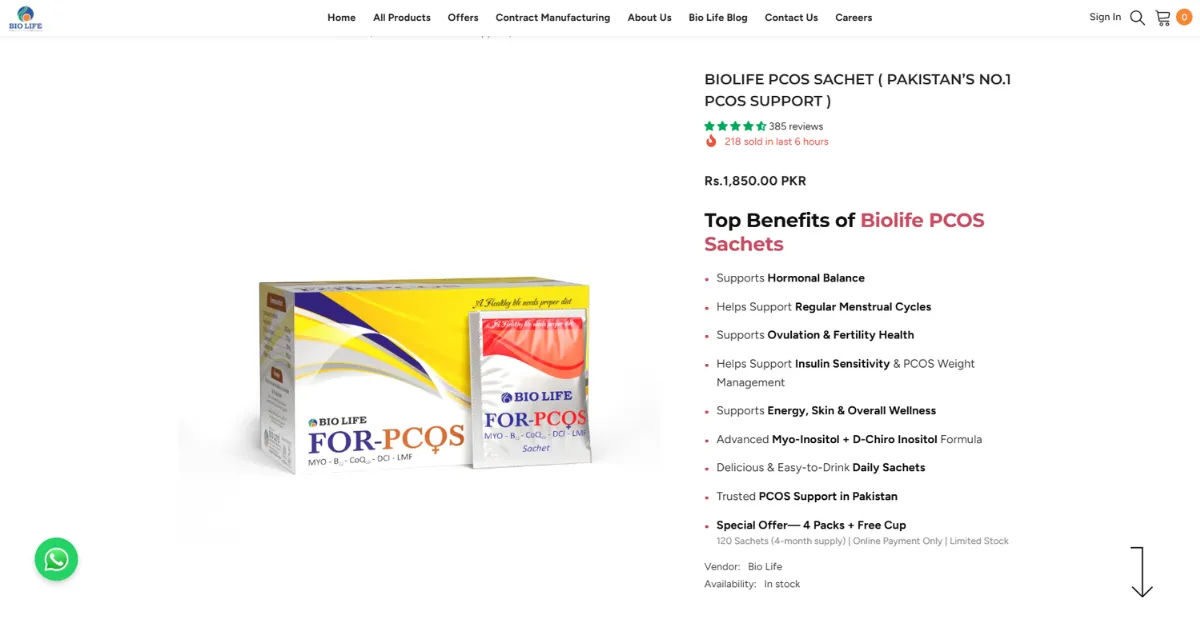
A common question among women dealing with PCOS is whether PCOS Supplements can be taken daily. The answer depends on several factors, including the type of supplement, ingredients, dosage, individual health needs, and advice from a healthcare professional. Some supplements are designed for regular daily use, while others may require specific timing, breaks, or medical supervision.
Understanding how supplements work, what ingredients they contain, and how they fit into a PCOS management plan can help women make informed decisions. While supplements may provide nutritional support, they are not a replacement for healthy eating, exercise, or prescribed treatments.
This comprehensive guide explains whether PCOS Supplements can be taken daily, their potential benefits, safety considerations, common ingredients, and important factors to consider before adding them to your routine.
Understanding PCOS and the Role of Supplements
PCOS is a hormonal disorder that affects the ovaries and can influence many areas of a woman’s health. Women with PCOS may experience symptoms related to increased androgen levels, irregular ovulation, blood sugar problems, and inflammation.
The exact cause of PCOS is not completely understood, but factors such as genetics, insulin resistance, lifestyle habits, and hormonal changes may contribute to its development.
Because PCOS affects the body in different ways, treatment approaches are usually personalized. Some women focus on improving insulin sensitivity, while others may need support for menstrual regularity, fertility, skin health, or managing unwanted hair growth.
This is where supplements may become part of a broader health strategy. PCOS Supplements often contain vitamins, minerals, antioxidants, and plant-based compounds that support different body functions involved in hormonal health.
However, supplements work differently for every person. Results may depend on the severity of symptoms, diet, activity levels, stress management, and overall health.
Why Do Women Consider Daily PCOS Supplements?
Many women choose daily supplementation because PCOS symptoms can be ongoing and may require consistent nutritional support. The body needs regular access to certain nutrients to maintain normal metabolic and hormonal functions.
Daily PCOS Supplements are commonly considered for the following reasons:
Supporting Hormonal Balance
Hormonal imbalance is one of the main features associated with PCOS. Some nutrients may help support normal hormone production and regulation.
For example, certain ingredients may influence insulin activity, which is closely connected to hormone balance. Improved insulin regulation may support healthier androgen levels in some women.
Managing Insulin Resistance
Insulin resistance is common among many women with PCOS. When the body does not respond effectively to insulin, it may produce higher levels of insulin, which can affect hormone production.
Some PCOS Supplements include ingredients that support healthy glucose metabolism. These supplements may be used alongside dietary changes and physical activity to encourage better metabolic health.
Improving Nutrient Intake
Women with PCOS may sometimes have nutritional gaps due to dietary restrictions, lifestyle factors, or increased nutritional needs.
Daily supplements can help provide important nutrients that support energy production, immune function, and overall wellness.
Supporting Skin and Hair Health
PCOS-related hormonal changes can contribute to acne, oily skin, hair thinning, or unwanted hair growth.
Certain vitamins and minerals may support healthy skin and hair by improving nutritional balance. However, supplements should be combined with proper skincare, nutrition, and medical advice when needed.
Are PCOS Supplements Safe to Take Every Day?
For many women, certain PCOS Supplements can be taken daily when used according to recommended dosages. However, safety depends on the specific ingredients and the individual’s health condition.
A supplement being natural does not automatically mean it is suitable for everyone. Natural ingredients can still affect hormones, medications, or existing health conditions.
Before starting a daily supplement routine, women should consider:
- The ingredients included in the supplement
- Recommended daily dosage
- Existing medical conditions
- Current medications
- Pregnancy or breastfeeding status
- Personal health goals
A healthcare provider can help determine whether a supplement is appropriate and how long it should be used.
Common Ingredients Found in PCOS Supplements
Different supplements contain different combinations of nutrients. Understanding common ingredients can help women know what they are taking.
Inositol
Inositol is one of the most researched ingredients used in PCOS support. It is a compound related to B vitamins and plays a role in cellular communication.
Many women use inositol because it may support insulin sensitivity and ovarian function. Some studies suggest it may help promote more regular menstrual cycles in certain women with PCOS.
Vitamin D
Vitamin D plays an important role in many body functions, including immune health, bone strength, and hormone-related processes.
Some women with PCOS have low vitamin D levels. Supplementing vitamin D when a deficiency exists may support overall health.
Omega-3 Fatty Acids
Omega-3 fatty acids are healthy fats that support heart health and normal inflammatory responses.
They are often included in PCOS Supplements because PCOS may be associated with increased inflammation and metabolic concerns.
Magnesium
Magnesium is an essential mineral involved in energy production, muscle function, and blood sugar regulation.
Adequate magnesium intake may support overall wellness, especially for individuals with dietary deficiencies.
Antioxidants
Some supplements contain antioxidants that help protect cells from oxidative stress.
Ingredients such as certain plant extracts and vitamins may support the body’s natural defense systems.
How Long Can PCOS Supplements Be Taken Daily?
The duration of daily supplement use depends on the supplement type and individual needs.
Some women may use supplements for several months, while others may continue longer under professional guidance. PCOS is a long-term condition, so ongoing support may sometimes be considered.
However, taking supplements continuously without reviewing their effectiveness is not always ideal.
Regular evaluation can help determine:
- Whether symptoms are improving
- Whether the dosage is appropriate
- Whether the supplement is still needed
- Whether lifestyle changes should be adjusted
A balanced approach is usually more effective than relying only on supplements.
Factors That Affect Daily Use of PCOS Supplements
Several factors influence whether daily supplementation is suitable.
Individual Health Needs
Every woman experiences PCOS differently. A supplement that works well for one person may not provide the same results for another.
Age, lifestyle, weight, hormonal levels, and medical history can all affect outcomes.
Diet Quality
Supplements are most effective when combined with a nutrient-rich diet.
Foods such as vegetables, fruits, lean proteins, whole grains, healthy fats, and fiber-rich foods provide essential nutrients that supplements cannot completely replace.
Physical Activity
Regular exercise supports insulin sensitivity, metabolism, mood, and hormone regulation.
Daily movement can improve the overall effectiveness of a PCOS management plan.
Stress and Sleep
Stress hormones and poor sleep quality can affect hormonal balance.
Managing stress and maintaining healthy sleep habits can support the benefits of PCOS Supplements and other treatments.
Possible Benefits of Taking PCOS Supplements Daily
Taking PCOS Supplements consistently may provide nutritional support that helps address some challenges associated with PCOS. However, the effects can vary from person to person, and supplements should be considered one part of a complete management approach.
Supporting Menstrual Regularity
Irregular menstrual cycles are one of the most common symptoms experienced by women with PCOS. Hormonal fluctuations and irregular ovulation can affect cycle timing.
Some daily supplements may support the body’s natural hormone processes and improve factors linked with menstrual health. Ingredients such as inositol are often studied for their potential role in supporting ovarian function and cycle regularity.
However, menstrual changes can have many causes, so women with persistent irregular periods should discuss their symptoms with a healthcare professional.
Supporting Fertility Health
PCOS can sometimes affect fertility because hormonal changes may interfere with regular ovulation. Many women explore nutritional support when trying to improve reproductive health.
Certain PCOS Supplements may support factors involved in ovulation and metabolic balance. Improving insulin sensitivity, maintaining healthy nutrient levels, and supporting overall wellness may contribute to better reproductive health.
It is important to remember that supplements alone cannot guarantee pregnancy or treat infertility. Women who are trying to conceive should seek guidance from a qualified healthcare provider.
Helping With Energy Levels
Fatigue and low energy are frequently reported by women managing PCOS. Several factors may contribute, including blood sugar fluctuations, poor sleep, stress, nutritional deficiencies, and hormonal changes.
Daily supplementation may help if certain nutrient deficiencies are present. For example, correcting low levels of vitamins or minerals can support normal energy production.
A healthy lifestyle remains essential because supplements work best when combined with proper nutrition, regular movement, and sufficient rest.
Supporting Metabolic Health
Metabolic concerns are common in PCOS, especially issues related to insulin resistance and blood sugar regulation.
Some PCOS Supplements are designed to support healthy metabolic functions. They may help the body use insulin more effectively and support balanced blood sugar levels.
Women should still focus on healthy eating patterns, including balanced meals with protein, fiber, and healthy fats.
Can You Take PCOS Supplements Without a Break?
Many women wonder if they should take breaks from daily supplements. The answer depends on the type of supplement and its ingredients.
Some nutrients are commonly used for long periods when taken within safe limits. Others may require monitoring because excessive intake can create unwanted effects.
For example, taking very high amounts of certain vitamins or minerals over a long period may not be beneficial and could potentially cause problems.
Before continuing PCOS Supplements for an extended period, it is helpful to:
- Review progress regularly
- Check whether symptoms have improved
- Confirm that the dosage is appropriate
- Discuss long-term use with a healthcare professional
A personalized approach is usually safer than following a general routine.
Best Time to Take PCOS Supplements
The timing of supplements can influence how well the body absorbs and uses them.
Some supplements are better absorbed with food, while others may work better at specific times of the day.
General tips include:
Take Supplements Consistently
Consistency is often more important than the exact time. Taking supplements at the same time each day can help create a routine.
Follow Label Instructions
Always follow the recommended dosage and instructions provided by the manufacturer.
Taking more than the suggested amount does not necessarily provide better results.
Consider Food Interactions
Certain nutrients absorb better when taken with meals, especially fat-soluble vitamins.
If you are unsure about timing, a healthcare professional can provide guidance based on the specific supplement.
Potential Side Effects of Daily PCOS Supplements
Although many supplements are considered safe when used correctly, some women may experience side effects.
Possible side effects may include:
- Digestive discomfort
- Nausea
- Bloating
- Changes in bowel habits
- Headaches
- Allergic reactions
The risk of side effects may increase when multiple supplements are combined.
Women should carefully check ingredient lists to avoid taking unnecessary amounts of the same nutrient from different products.
Who Should Be Careful With Daily PCOS Supplements?
While supplements may benefit many women, certain individuals should seek professional advice before starting them.
Women Taking Medications
Some supplements may interact with prescription medications. This is especially important for women taking medicines related to hormones, blood sugar, thyroid function, or other chronic conditions.
Pregnant or Breastfeeding Women
Nutritional needs change during pregnancy and breastfeeding. Some ingredients may not be suitable during these periods.
Medical guidance is recommended before using any new supplement.
Women With Existing Health Conditions
Individuals with kidney problems, liver conditions, hormonal disorders, or other medical concerns should consult a healthcare provider before beginning daily supplementation.
The Importance of Choosing Quality PCOS Supplements
Not all supplements are created equally. Product quality, ingredient transparency, and manufacturing standards can influence safety and effectiveness.
When choosing PCOS Supplements, consider:
Check the Ingredient List
Look for clearly listed ingredients and amounts. Avoid products that do not provide detailed information.
Avoid Excessive Claims
Be cautious of products that promise instant cures or guaranteed results.
PCOS management usually requires time, consistency, and multiple healthy habits.
Choose Trusted Manufacturers
Reliable supplement brands usually provide clear labeling, quality testing information, and proper usage instructions.
Lifestyle Habits That Improve the Effectiveness of PCOS Supplements
Supplements can provide support, but lifestyle habits remain a major part of PCOS management.
Maintain a Balanced Diet
A balanced diet helps regulate blood sugar, support hormone health, and provide essential nutrients.
Include:
- Vegetables and fruits
- Lean proteins
- Whole grains
- Healthy fats
- High-fiber foods
Reducing excessive processed foods and added sugars may also support better metabolic health.
Exercise Regularly
Physical activity improves insulin sensitivity and supports overall health.
A combination of strength training, walking, and cardiovascular exercise can be beneficial.
Prioritize Sleep
Poor sleep can affect hormones, appetite regulation, and stress levels.
Aim for consistent sleep habits to support the body’s natural recovery processes.
Manage Stress
Long-term stress can influence hormonal balance and overall well-being.
Relaxation techniques, mindfulness, hobbies, and regular breaks can help manage stress levels.
Common Mistakes Women Make When Taking PCOS Supplements
Although supplements can be helpful, some common mistakes may reduce their effectiveness.
Expecting Immediate Results
Many women expect supplements to solve PCOS symptoms quickly. However, hormonal changes and metabolic improvements often take time.
Consistency and patience are important.
Replacing Healthy Habits With Supplements
Supplements should not replace nutritious food, exercise, or medical care.
A healthy lifestyle creates the foundation for better long-term results.
Taking Multiple Supplements Without Guidance
Combining several products may lead to unnecessary nutrient intake.
It is better to choose supplements based on specific needs rather than taking many products at once.
Ignoring Medical Advice
PCOS symptoms can sometimes indicate other health concerns.
Regular medical checkups help ensure that treatment decisions are appropriate.
How to Build a Safe Daily PCOS Supplement Routine
Creating a daily routine with PCOS Supplements requires careful planning and understanding of personal health needs. A supplement routine should be simple, consistent, and supported by healthy lifestyle choices.
The first step is identifying the main concerns related to PCOS. Some women may want support for irregular periods, while others may focus on insulin resistance, skin concerns, fertility, or general wellness.
A personalized approach is more effective than choosing supplements randomly.
Step 1: Understand Your PCOS Symptoms
Every woman experiences PCOS differently. Some may have noticeable symptoms, while others may have mild or hidden concerns.
Before starting daily supplements, consider your main goals:
- Improving hormonal balance
- Supporting regular menstrual cycles
- Managing blood sugar levels
- Improving energy
- Supporting skin and hair health
- Improving overall nutritional status
Understanding your priorities helps you choose the right type of supplement support.
Step 2: Review Your Nutritional Needs
Nutritional deficiencies may affect how the body manages PCOS symptoms. A healthcare professional may recommend blood tests to identify low levels of specific nutrients.
For example, some women may need support with vitamin D, iron, magnesium, or other nutrients.
Using PCOS Supplements based on actual needs may be more beneficial than taking unnecessary products.
Step 3: Start With One Supplement at a Time
Starting multiple supplements at once can make it difficult to understand what is helping or causing side effects.
A better approach is introducing one supplement gradually and monitoring how your body responds.
Keep track of:
- Changes in energy levels
- Menstrual patterns
- Digestive changes
- Skin improvements
- Any unwanted effects
This information can help you make better decisions about your routine.
Step 4: Maintain Regular Monitoring
PCOS is a long-term condition that can change over time.
Regular health evaluations can help determine whether your supplement routine remains appropriate.
Monitoring may include:
- Hormone levels
- Blood sugar measurements
- Nutrient levels
- Weight changes
- Menstrual cycle patterns
Adjustments may be needed as your health goals change.
PCOS Supplements and Medical Treatment
Many women wonder whether supplements can replace medical treatment for PCOS. The answer is generally no.
While PCOS Supplements may provide nutritional and wellness support, they do not replace prescribed medications or professional medical advice.
Some women with PCOS may need treatments for:
- Severe hormonal symptoms
- Insulin resistance
- Fertility concerns
- Irregular or absent periods
- Other related health issues
A healthcare provider can recommend the most suitable combination of treatments based on individual circumstances.
Supplements may work alongside medical treatments by supporting overall health, but they should not be used as a substitute without professional guidance.
Are Daily PCOS Supplements Effective for Everyone?
The effectiveness of PCOS Supplements can vary significantly between individuals.
Factors that influence results include:
- The type of PCOS symptoms
- Genetic factors
- Diet quality
- Exercise habits
- Stress levels
- Sleep quality
- Existing health conditions
- Supplement quality and dosage
Some women may notice improvements after consistent use, while others may experience limited changes.
It is important to have realistic expectations and understand that PCOS management usually involves multiple strategies.
How Long Does It Take to See Results From PCOS Supplements?
Many women expect immediate changes after starting supplements, but the body often requires time to respond.
The timeline can depend on:
- The supplement ingredients
- Individual metabolism
- Existing nutrient levels
- Lifestyle habits
- Severity of symptoms
Some people may notice changes within weeks, while others may require several months of consistent use.
Tracking symptoms over time can provide a clearer understanding of whether the supplement routine is helping.
Frequently Asked Questions About PCOS Supplements
Can I take PCOS Supplements every day?
Yes, many PCOS Supplements are designed for daily use when taken according to recommended instructions. However, the right choice depends on individual health needs, ingredients, and dosage.
It is best to consult a healthcare professional before beginning long-term supplementation.
Should I take PCOS Supplements with food?
Many supplements are better absorbed when taken with meals, but this depends on the ingredients.
Always follow the instructions provided on the product label or ask a healthcare professional for guidance.
Can PCOS Supplements cure PCOS?
No, supplements cannot cure PCOS. PCOS is a complex hormonal condition that requires ongoing management.
Supplements may support certain aspects of health but should be combined with lifestyle changes and medical care when needed.
Are natural PCOS Supplements better?
Natural ingredients may provide useful nutritional support, but natural does not always mean better or safer for everyone.
The effectiveness depends on the ingredients, dosage, quality, and individual response.
Can teenagers take PCOS Supplements?
Teenagers with PCOS should speak with a healthcare professional before starting supplements.
Because the body is still developing, supplement choices should be carefully considered.
Can PCOS Supplements help with weight management?
Some supplements may support metabolism or insulin sensitivity, but they are not weight-loss products.
Healthy eating, physical activity, and lifestyle changes remain important for managing weight-related concerns.
Conclusion
Daily use of PCOS Supplements can be suitable for many women when the supplements are chosen carefully and taken according to recommended guidelines. They may provide valuable nutritional support for managing some aspects of PCOS, including hormonal balance, metabolic health, energy levels, and general wellness.
However, supplements are not a quick solution or a replacement for medical treatment. PCOS is a complex condition that requires a complete approach involving balanced nutrition, regular exercise, stress management, proper sleep, and professional guidance when needed.
The decision to take daily supplements should be based on individual health goals, symptoms, and nutritional requirements. Understanding the ingredients, following proper dosages, and monitoring progress can help women create a safer and more effective routine.
For many women, PCOS Supplements can become a supportive part of their daily wellness plan. When combined with healthy lifestyle choices and appropriate medical care, they may contribute to better symptom management and improved quality of life.
The most important step is choosing a personalized approach rather than following general trends. Every woman’s experience with PCOS is different, and the best results often come from understanding the body’s unique needs and making consistent, informed health decisions.
