

When it comes to fashion, especially for the South Asian community living in the UK, there is a noticeable difference between traditional Pakistani clothing and the clothing adapted for the UK market.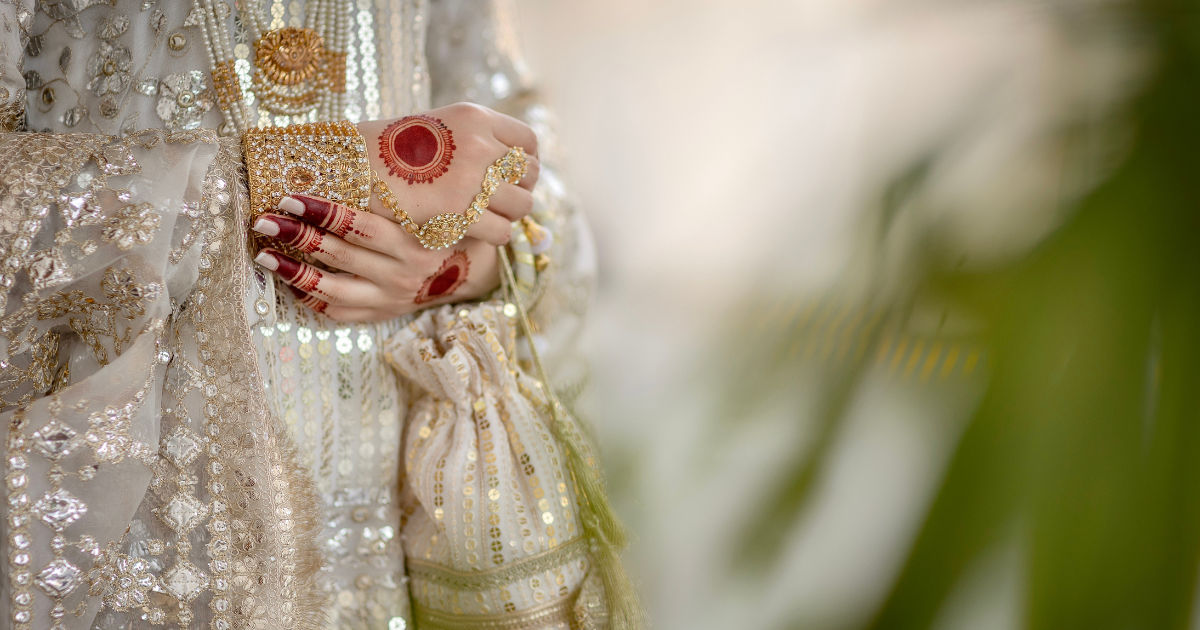
Many people search for pakistan clothing UK, curious about how styles, fabrics, and trends have been modified to suit Western tastes while retaining cultural roots.
This guide explores these differences in detail and explains why Pakistani clothing in the UK stands apart from its origin in Pakistan.
The Roots of Pakistani Clothing
Pakistani clothing has a long history that is rich in tradition, culture, and regional diversity. In Pakistan, clothing reflects heritage, religious beliefs, climate, and lifestyle. Traditional Pakistani attire includes shalwar kameez for everyday wear, kurta pajamas, lehengas for festive occasions, and intricately embroidered sherwanis for weddings. Each province in Pakistan, like Punjab, Sindh, Balochistan, and Khyber Pakhtunkhwa, has distinct styles, patterns, and embroidery techniques.
Fabric choice is also important in Pakistan. Cotton is preferred for summer due to the hot climate, whereas wool and heavier silks are worn in winter. Pakistanis often favor bold colors and ornate embellishments for celebrations. Accessories like dupattas, turbans, and traditional jewelry complete the ensemble.
Adapting Pakistani Clothing for the UK
When Pakistani clothing travels across continents, especially to the UK, it goes through a cultural and practical adaptation. The climate in the UK, urban lifestyle, and Western fashion sensibilities influence these changes. Pakistan clothing UK often uses lighter fabrics suitable for mild and rainy weather. Wool or thick fabrics are replaced by breathable materials that balance tradition with comfort.
Additionally, UK-based Pakistani designers often simplify traditional embroidery and embellishments to make clothing more versatile. While in Pakistan, a heavily embroidered outfit may be reserved for weddings, in the UK, similar designs are adapted for semi-formal occasions or cultural festivals. This allows the diaspora to celebrate their heritage without standing out too much in a Western setting.
Differences in Fabric Choices
One of the most noticeable differences between Pakistani clothing in Pakistan and in the UK is fabric selection. In Pakistan, natural fibers like cotton, silk, chiffon, and lawn are predominant. Lawn, in particular, is extremely popular in Pakistan during summer due to its light texture and breathability.
In the UK, however, climate plays a major role. UK-adapted Pakistani clothing often includes blended fabrics like cotton-polyester mixes, viscose, and georgette to make the outfits more durable and suitable for cooler temperatures. Designers may also add lining to ensure comfort during unpredictable weather. This ensures that traditional outfits can be worn casually or formally without feeling uncomfortable.
Color and Pattern Adjustments
Colors in Pakistani clothing are traditionally bold and vibrant. Bright reds, royal blues, emerald greens, and sunny yellows dominate festive and wedding attire. Patterns often include floral motifs, paisleys, and geometric designs inspired by centuries of cultural artistry.
In the UK, while color remains important, there is a tendency towards subtle shades, pastel tones, and muted patterns for daily wear. Designers producing pakistan clothing UK often blend traditional motifs with minimalistic patterns that appeal to the younger generation. This balance helps preserve cultural identity while keeping the outfits modern and approachable.
Style Modifications
Another difference is in style and silhouette. Pakistani clothing in Pakistan tends to be traditional with modest cuts and flowing designs. For women, the shalwar kameez is usually loose-fitting with a long kameez, and for men, kurta pajamas are worn with traditional straight-cut shalwars.
In the UK, modifications are common to suit Western body types and preferences. Women’s kameez may be slightly shorter or tailored to a slim-fit style. Trousers may be replaced with cigarette pants, leggings, or palazzos. Men’s kurtas are sometimes designed with modern cuts or paired with jeans for casual occasions. These modifications maintain the essence of Pakistani clothing while making it practical for everyday life in the UK.
Occasion-Based Differences
Pakistani clothing in Pakistan is highly occasion-specific. Wedding dresses are ornate, daily wear is simple, and religious outfits for Eid or Ramadan have unique designs.
In the UK, occasions are often blended. Many Pakistani-British families adapt wedding and festive attire to fit local events. Semi-formal dresses inspired by wedding styles are worn at community events or cultural festivals. Pakistan clothing UK also includes fusion wear that combines Western evening wear with traditional embroidery or cuts, making outfits versatile for multiple occasions.
Embroidery and Craftsmanship
Embroidery is a key feature of Pakistani clothing, showcasing rich craftsmanship. Techniques like zardozi, chikankari, mirror work, and thread embroidery are highly valued in Pakistan. The level of detail can be extremely intricate, especially for bridal wear.
In the UK, embroidery is often simplified for practical reasons. Heavy embroidery can be cumbersome, so designers use machine embroidery, sequins, or printed patterns that mimic traditional designs. While the artistry remains, the focus is on comfort and usability, making traditional styles more wearable for everyday life.
Accessories and Pairing Differences
In Pakistan, accessories play a critical role in completing an outfit. Women often wear heavy jewelry, bangles, and embellished shoes, while men might use traditional waistcoats, turbans, or shawls.
In the UK, many Pakistani-British individuals prefer minimal accessories. Jewelry is often toned down, and traditional footwear may be replaced with comfortable flats or heels. Scarves and dupattas are still worn but are styled in a way that fits modern sensibilities, sometimes draped loosely or even replaced with shawls in colder months.
Impact of Western Fashion
Western fashion has a notable influence on Pakistani clothing in the UK. Designers often merge traditional elements with contemporary trends like peplum tops, off-shoulder kameez, crop tops paired with shararas, and jacket-style kurtas. These hybrid styles cater to a younger generation who want to honor their culture but also follow modern fashion trends.
For men, casual kurtas may include hooded designs, printed patterns, or shorter lengths that are easier to wear in urban settings. Footwear may also be swapped for sneakers or loafers instead of traditional khussa shoes.
Availability and Shopping Experience
Another significant difference is in how Pakistani clothing is accessed in the UK compared to Pakistan. In Pakistan, clothing is widely available in local markets, boutiques, and designer stores. Shopping is a social activity, often accompanied by family and friends.
In the UK, pakistan clothing UK is mostly available in specialized boutiques, online stores, or at cultural festivals. Many stores cater specifically to the diaspora and stock seasonal collections that reflect both Pakistani tradition and UK fashion sensibilities. Online shopping has grown rapidly, allowing access to a wide range of Pakistani clothing without visiting a physical store.
Cost Considerations
The price of Pakistani clothing also differs. In Pakistan, prices vary widely based on fabric, craftsmanship, and brand. Local markets provide affordable options, while designer wear can be very expensive, especially for bridal outfits.
In the UK, imported fabrics and craftsmanship can increase costs. Additionally, the incorporation of modern tailoring, machine embroidery, and shipping fees makes pakistan clothing UK more expensive than local alternatives. However, the convenience and the ability to wear culturally relevant clothing abroad make it worthwhile for many families.
Generational Preferences
Generational differences also play a role. Older generations living in the UK may prefer traditional Pakistani attire with minimal alterations. They seek authenticity and are likely to stick to classic shalwar kameez, kurta pajamas, and traditional wedding outfits.
Younger generations, however, often prefer fusion wear. They mix traditional designs with Western cuts and fabrics to create a more modern aesthetic. This has led to the rise of UK-based designers who specialize in contemporary Pakistani clothing for teens and young adults, balancing heritage with modern fashion trends.
Cultural Significance
Despite the differences, Pakistani clothing in the UK still holds immense cultural significance. Wearing these outfits helps Pakistani-British communities maintain their cultural identity and celebrate important occasions like Eid, weddings, and cultural festivals. Even with fabric modifications, subtle embroidery, and style changes, the clothing continues to serve as a symbol of heritage and pride.
Tips for Choosing Pakistani Clothing in the UK
-
Consider the climate – Opt for fabrics like cotton blends or light silks for warmer months and layered designs for colder months.
-
Balance tradition with comfort – Look for simpler embroidery or fusion designs that are easier to wear for daily or semi-formal occasions.
-
Shop online wisely – Many UK stores offer authentic Pakistani clothing, but check reviews and sizing guides before purchasing.
-
Experiment with fusion styles – Pair traditional kurtas with trousers or jeans, or choose a lehenga-inspired skirt with a modern top for a contemporary look.
-
Accessorize subtly – Opt for lightweight jewelry and practical footwear that complements the outfit without overwhelming it.
Future of Pakistani Clothing in the UK
The future of pakistan clothing UK is promising. With the growth of online marketplaces, social media influencers, and UK-based designers, Pakistani clothing continues to evolve. There is a growing emphasis on eco-friendly fabrics, sustainable production, and inclusive sizing. Younger designers are also experimenting with bold colors, hybrid cuts, and fusion styles to appeal to diverse audiences while preserving traditional motifs.
Conclusion
Pakistani clothing in the UK is a blend of tradition, practicality, and modern fashion sensibilities. From fabric choices to embroidery, style modifications, and occasion-based wear, it differs significantly from clothing in Pakistan while maintaining cultural roots. UK-based Pakistani clothing has adapted to climate, lifestyle, and Western trends, offering comfort and versatility without losing its essence.
For the Pakistani diaspora, these adaptations allow individuals to celebrate their culture proudly while integrating seamlessly into UK society. Pakistan clothing UK is more than just attire—it’s a statement of identity, heritage, and style that bridges continents.
As the fashion industry continues to evolve, Pakistani clothing in the UK will likely keep blending tradition with modernity, providing outfits that honor cultural values while appealing to contemporary tastes. Whether for weddings, festivals, or everyday wear, Pakistani clothing in the UK represents a rich cultural tapestry that is vibrant, versatile, and timeless.
