

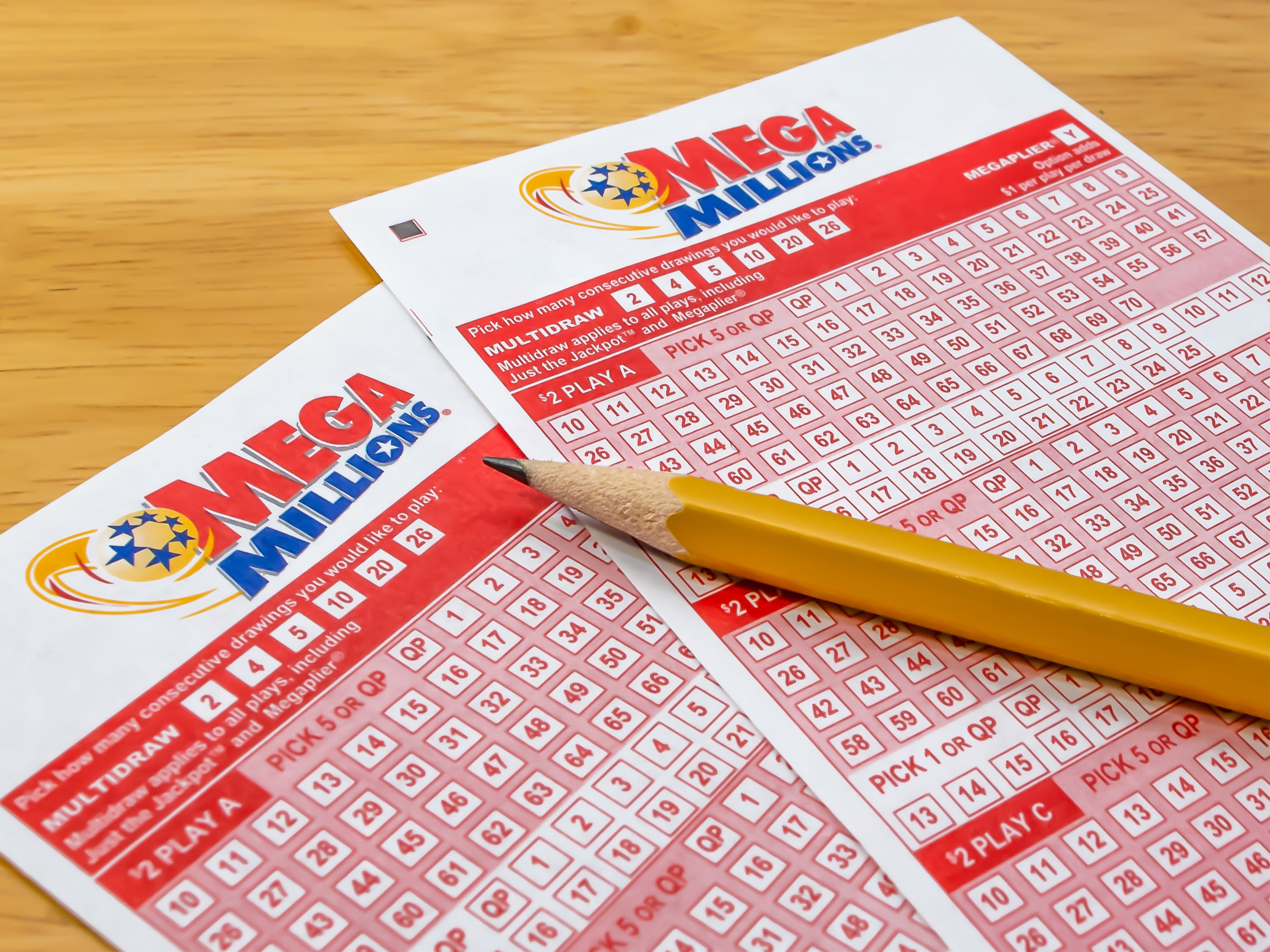
Lotteries have long been a source of captivation and controversy, often with massive amounts of money at venture. The word itself conjures images of fortune and luck, making it a pop issue of and a dream for many. However, behind the excitement and tempt, there are also unexpired arguments against the lottery and its impact on smart set. Let’s take a closer look at the chronicle, touch, and controversies close the drawing.
The origins of the lottery can be traced back to antediluvian multiplication, with the first registered instance dating back to the Chinese Han Dynasty between 205 and 187 BC. This early variation mired name calling for a to win prizes, such as land or goods. In the 15th century, the first posit-sanctioned drawing appeared in Europe, with issue going towards populace workings projects. Since then, lotteries have evolved and become more and more popular, with countries all over the world offer their own versions.
One of the main arguments in privilege of the drawing is its ability to yield tax revenue. In many countries, lottery win are used to fund training, world services, and infrastructure. This has led to mixed opinions on whether the lottery is a necessary evil or a beneficial tool for beau monde. Proponents reason that the money increased through lotteries is crucial for up and maintaining world services, especially in multiplication of economic hardship. However, opponents believe that governments should not rely on gambling as a means of generating income and instead find option sources.
Another reason the lottery is extremely is due to its dependence potentiality. Gambling dependance is a serious make out that can have detrimental effects on individuals and their families. The easy availableness and promotional material of lottery tickets can lead to impulse buying and inordinate outlay, which can rapidly gyrate into fiscal ruin. Studies have shown that people from turn down-income backgrounds are more likely to educate gaming addictions, which further exacerbates socioeconomic disparities.
Moreover, there have been concerns about the paleness and moral philosophy of the drawing. With the odds of winning being super slim, many argue that the drawing preys on people’s hope and . The majority of players come from low-income backgrounds, and the tempt of a big jackpot can lead to poor commercial enterprise decisions and further disparities. Critics also target out the disproportionate bear upon of the lottery on weak populations, such as the elderly and those with preceding play problems.
Despite these controversies, the prediksi macau continues to prosper and pull millions of players. The prognosticate of a life-changing sum of money clay a fresh draw for many, despite the low odds. The lottery also serves as a form of amusement and escapism for some, with modest-scale sporting creating a feel of comradery and excitement. Additionally, advancements in engineering have made it easier for populate to participate in lotteries from anywhere in the earthly concern, further maximising its popularity.
However, as the debate on the social and worldly impact of the drawing continues, some countries have taken stairs to address these issues. Some have enforced regulations and restrictions on drawing advertising and gross sales to downplay the potentiality for dependance. Others have introduced programs to help individuals struggling with gaming addictions and offer business enterprise training to prevent devil-may-care disbursal.
In conclusion, the drawing cadaver a dissentious issue, with valid arguments on both sides. While it may bear on to yield tax revenue for governments and offer the tickle of a chance at a fortune, the veto personal effects cannot be ignored. It is material for beau monde to have open discussions and turn to the right and social implications of the lottery, especially considering its touch on on vulnerable individuals. Only then can we truly assess whether the exhilaration and tilt surrounding the drawing are Charles Frederick Worth it.
