

Kids around the world are naturally drawn to Disney character coloring and activity pages because they combine storytelling, imagination, and visual excitement in one engaging experience.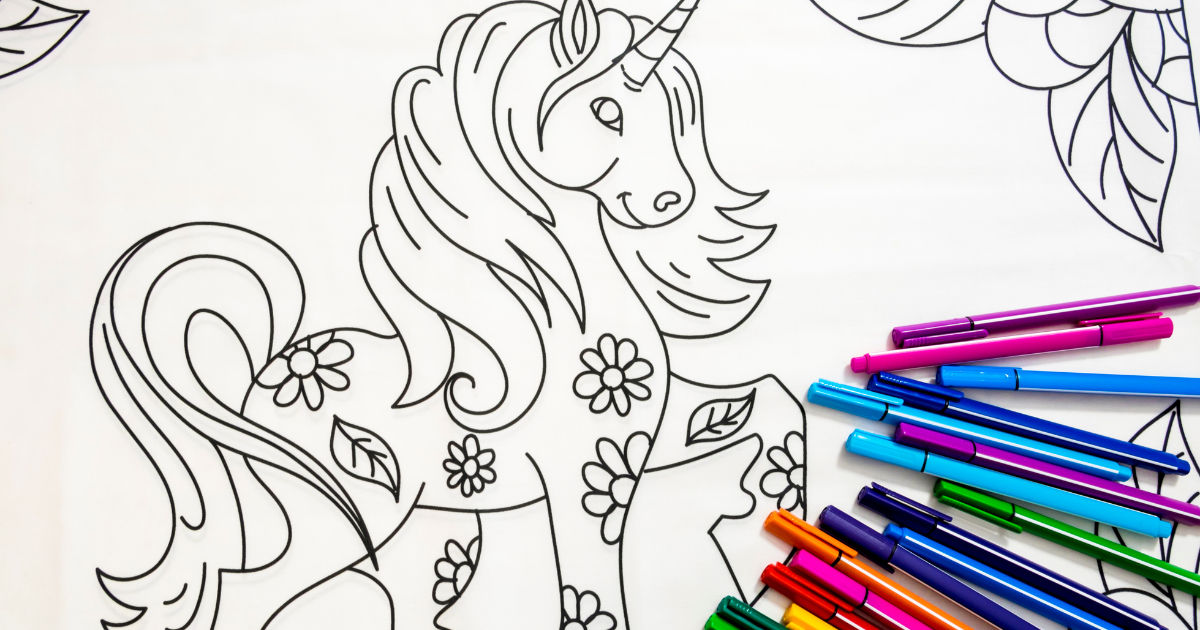 From simple line drawings to detailed scenes, a Disney character page gives children a chance to connect with familiar heroes and magical worlds in a hands-on way. A Disney character is often already known from movies or shows, which makes the experience feel personal and exciting.
A Disney character page is not just a coloring sheet; it is a creative gateway. Children feel like they are part of the story when they color a Disney character. This connection between imagination and participation is one of the strongest reasons kids keep coming back to a Disney character activity. In this guide, we will explore why kids enjoy these pages, how they support learning, and why the appeal of a Disney character remains strong across generations.
Emotional Connection and Familiarity
One of the biggest reasons children enjoy a Disney character page is emotional familiarity. Kids often grow up watching movies featuring a Disney character, which creates strong emotional bonds. When they see a Disney character on paper, they feel like they are meeting an old friend again.
A Disney character such as Mickey Mouse, Elsa, or Simba is not just a drawing—it represents memories from stories, songs, and adventures. This familiarity makes a Disney character page comforting and enjoyable. Children feel safe and happy when interacting with something they already recognize.
A Disney character also often represents positive values like kindness, bravery, and friendship. This adds emotional depth. When kids color a Disney character, they are not just filling in shapes—they are engaging with a personality they admire.
The emotional bond with a Disney character helps children stay focused longer and enjoy the activity more deeply. Even shy or introverted children often open up when working on a Disney character page because it feels familiar and non-threatening.
A Disney character also helps children express emotions. For example, a child may choose bright colors for a happy Disney character or darker tones for a serious scene. This emotional expression is important for healthy development.
Ultimately, familiarity and emotional connection are at the heart of why a Disney character is so appealing.
Visual Appeal and Artistic Attraction
Another reason kids enjoy a Disney character page is the strong visual design. A Disney character is typically designed with bright colors, clear shapes, and expressive features. This makes a Disney character visually engaging even before coloring begins.
Children are naturally attracted to bold outlines and recognizable figures. A Disney character offers both simplicity and detail, depending on the page. Younger children enjoy simple Disney character outlines, while older kids prefer more detailed scenes featuring a Disney character in action.
The artistic style of a Disney character is also important. Each Disney character is designed to be expressive, with emotions clearly visible through facial expressions and body language. This helps kids understand storytelling visually.
Coloring a Disney character allows children to experiment with color combinations. They may choose traditional colors or create imaginative versions of a Disney character. This freedom enhances visual creativity.
A Disney character page often includes backgrounds like castles, forests, or magical worlds. These environments make the Disney character feel alive and part of a bigger story.
The combination of strong design, expressive features, and imaginative settings makes every Disney character page visually appealing and exciting for kids.
Creativity and Imagination Development
A major benefit of working with a Disney character page is the boost it gives to creativity. When children color a Disney character, they are making creative decisions about colors, patterns, and storytelling.
A Disney character encourages imagination because kids can reinterpret familiar figures. For example, a child might color a Disney character in unusual colors, creating a new version of the story. This freedom helps children think outside the box.
Imagination grows when children place a Disney character into different scenarios. A princess Disney character might be colored as if she is in a winter landscape or a futuristic city. These creative choices build storytelling skills.
A Disney character also helps children practice visual storytelling. They may imagine what happens before or after the scene shown in the Disney character page. This strengthens narrative thinking.
Creative thinking is further enhanced when children combine multiple Disney character pages into a storybook. They might connect different Disney character scenes into a sequence, building a full narrative.
The act of customizing a Disney character also builds confidence. Children feel proud when they complete a unique version of a Disney character that reflects their personal style.
In this way, a Disney character page becomes more than just coloring—it becomes a tool for imagination development.
Learning and Cognitive Benefits
A Disney character page is not only fun but also educational. When children focus on coloring a Disney character, they develop important cognitive skills.
One key benefit is improved concentration. Staying within the lines of a Disney character requires focus and attention to detail. This helps children build patience.
Fine motor skills also improve when working on a Disney character. Holding crayons or pencils and carefully coloring a Disney character strengthens hand-eye coordination.
A Disney character activity also supports color recognition. Children learn to identify and use different colors while working on a Disney character page. They begin to understand color harmony and contrast.
Memory skills are also supported. Recognizing a Disney character and recalling details from movies strengthens memory connections.
Problem-solving skills develop as children decide how to color a Disney character. They may think about which colors fit best or how to make a Disney character stand out.
A Disney character page can also introduce basic storytelling concepts. Kids learn about sequence, setting, and character roles through a Disney character scene.
Overall, a Disney character activity is both entertaining and mentally stimulating.
Comfort, Routine, and Emotional Stability
Children often find comfort in repeating familiar activities, and a Disney character page provides exactly that. Repeatedly engaging with a Disney character helps create a sense of routine.
A Disney character is predictable in a positive way. Kids know what to expect, which makes the activity relaxing. This is especially helpful during stressful or overwhelming situations.
A Disney character also provides emotional stability. When children feel anxious, coloring a Disney character can calm them down. The repetitive motion of coloring a Disney character is soothing.
Many children develop favorite characters. A specific Disney character may become a source of comfort, similar to a favorite toy or book.
Parents and teachers often use a Disney character page as a calming tool in classrooms or at home. It helps children refocus and regulate emotions.
A Disney character also supports mindfulness. Children focus on the present moment while coloring a Disney character, which reduces stress.
This emotional grounding is one of the hidden but powerful benefits of a Disney character activity.
Social Interaction and Sharing
A Disney character page is often shared among friends, siblings, or classmates. This makes it a social activity as well as an individual one.
Children enjoy comparing their versions of a Disney character. Each child may color the same Disney character differently, which leads to discussions and creativity sharing.
A Disney character activity is commonly used in group settings like classrooms. Teachers may assign a Disney character page as a fun group exercise.
Kids also like showing their finished Disney character artwork to parents and friends. This builds confidence and communication skills.
Group activities involving a Disney character encourage teamwork. Children may collaborate on coloring a large Disney character scene together.
A Disney character also becomes part of celebrations and themed events. Birthday parties often include a Disney character coloring station, making the activity more social and fun.
Through sharing and collaboration, a Disney character page becomes a bridge for social interaction.
Educational Storytelling and Moral Lessons
A Disney character is often associated with strong storytelling traditions. Each Disney character comes from a story that includes lessons about kindness, bravery, and friendship.
When children color a Disney character, they often recall the story behind it. This reinforces moral learning.
A Disney character like Simba teaches responsibility, while another Disney character might show the importance of teamwork or honesty.
Educators use a Disney character page to discuss values in a simple and engaging way. Children understand lessons better when they are connected to a Disney character they love.
A Disney character also helps children retell stories in their own words. This improves language skills and comprehension.
By engaging with a Disney character, children naturally absorb moral and educational lessons without feeling pressured.
Why Disney Character Pages Remain Timeless
Even as entertainment changes, the appeal of a Disney character remains strong. New generations continue to discover a Disney character through movies, streaming platforms, and books.
A Disney character adapts to modern storytelling while maintaining classic charm. This balance keeps children interested.
Technology has also expanded access. Digital and printable Disney character pages allow kids to enjoy a Disney character anytime.
Parents who grew up with a Disney character now share that experience with their children, creating a cycle of nostalgia.
The timeless design of a Disney character ensures that it remains relevant across different age groups and cultures.
Conclusion
A Disney character page is much more than a simple coloring activity. It combines emotional connection, creativity, learning, and social interaction in one engaging experience. A Disney character helps children build imagination, improve cognitive skills, and express emotions in a healthy way.
The repeated presence of a Disney character in children’s lives—from movies to coloring pages—creates a strong bond that supports learning and joy. Whether used for education, relaxation, or fun, a Disney character continues to play an important role in childhood development.
In the end, the magic of a Disney character lies in its ability to connect stories, emotions, and creativity into a single meaningful activity that children naturally enjoy.
